Should You Drink Water With Meals? Digestion, Water Timing, and What Ancient Traditions Taught
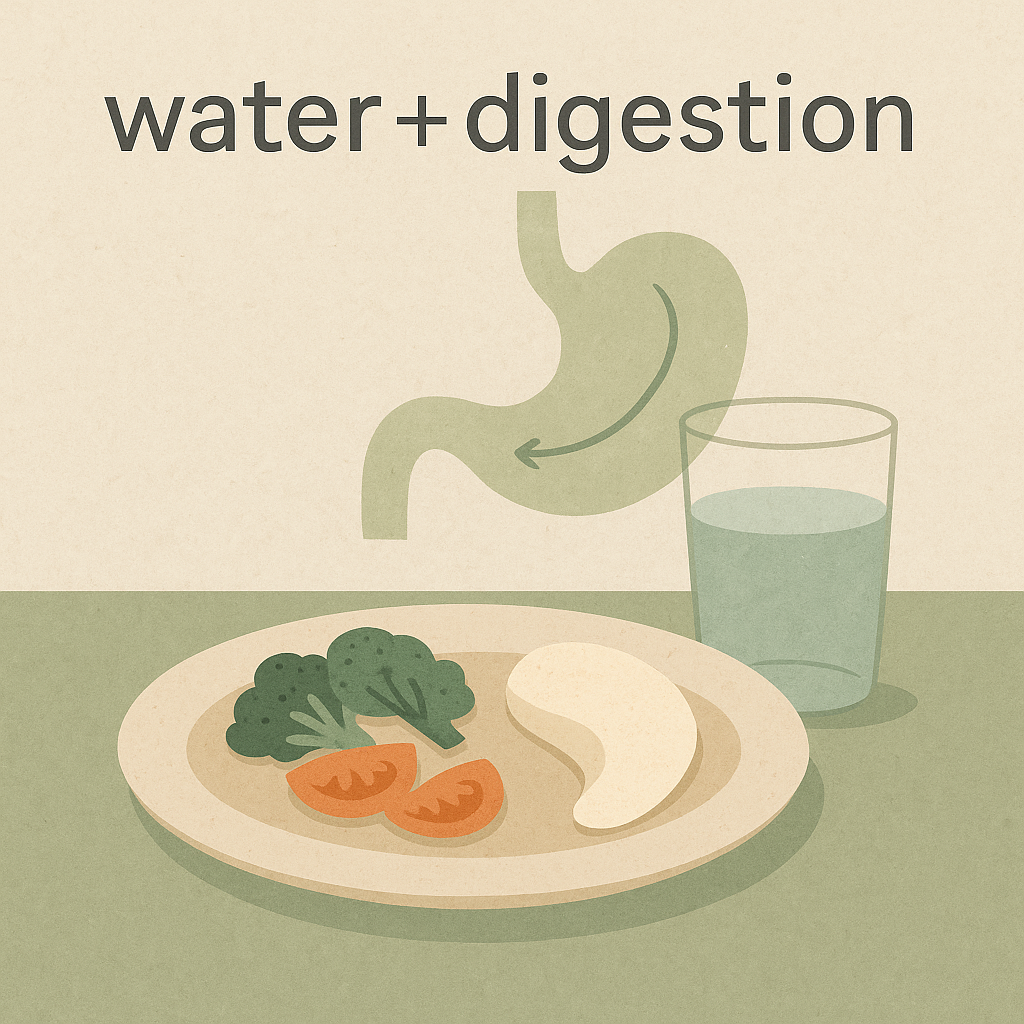
Many people wonder whether drinking water with meals affects digestion. Some claim it dilutes stomach acid and slows digestion, while others say it has no impact. The truth is more nuanced. Your stomach relies on a certain acidic environment to break down food efficiently, and some people notice digestion feels easier when they reduce the amount they drink while eating.
This article explores how water timing may influence digestion, stomach acid, and post-meal comfort, as well as what ancient cultures observed long before modern digestive science existed.
Is Drinking Water With Meals Bad for Digestion?
Drinking moderate to large amounts of water with meals may temporarily lower stomach acidity or slow protein breakdown for some individuals. Not everyone responds the same way, but certain people notice heaviness, reflux, or increased bloating when they drink large volumes during a meal.
Stomach acid plays several important roles:
breaking down protein
activating digestive enzymes
helping absorb minerals
protecting against unwanted bacteria
preparing food to move into the small intestine
Keeping the stomach acidic enough to break down food is a key part of comfortable digestion.
When stomach acid is low and food is not broken down well, undigested proteins move downstream and can contribute to lymphatic stagnation and waste buildup. To understand how this affects your body over time, explore The Lymphatic System: Your Body’s Hidden Clean up Crew and How Fascia Helps It Flow
What Happens When You Drink Water While Eating
Some people find that drinking water during meals:
increases fullness
makes digestion feel slower
leads to food feeling like it “sits” in the stomach
encourages swallowing without chewing fully
This does not mean everyone must stop drinking during meals, but it may explain why certain people feel a difference when they experiment with water timing.
Why You Might Feel Like You Need Water While Eating
There are three common reasons:
low stomach acid
eating too quickly
mouth breathing and stress
When the nervous system is stressed, saliva production decreases and chewing becomes less efficient. Since saliva is the body’s first digestive enzyme, low saliva may make food feel harder to swallow without water.
Ancient Traditions on Drinking Water With Meals
Long before digestive research existed, many cultures noticed that drinking too much water while eating could make digestion feel sluggish.
Ayurveda teaches that cold water may weaken digestion and recommends only warm sips if needed.
Traditional Chinese Medicine suggests minimal liquid during meals to avoid cooling digestion.
Traditional Japanese and Okinawan practices often included tea in small amounts but not large glasses of water.
These traditions were based on centuries of observation and align with many modern functional digestion approaches.
Should You Drink Water Before or After Eating?
Some people notice better digestion when they:
stop drinking 15 to 30 minutes before meals
take only small sips while eating
resume water 30 to 60 minutes after
This supports stomach acidity and encourages chewing and saliva production, which may help digestion feel smoother.
How to Support Digestion Without Relying on Water
Try simple changes:
chew thoroughly
breathe slowly through the nose
sit calmly
eat without rushing
add lemon or digestive bitters before meals
drink minerals earlier in the day
Digestion begins with the nervous system state and chewing, not just what happens in the stomach.
Digestive Bitters Can Help
Bitters are herbal extracts that stimulate the body’s natural digestive processes by activating bitter receptors on the tongue. This encourages stomach acid, bile flow, and digestive enzymes. Gentle bitters like dandelion, artichoke, and burdock are commonly used to support digestion before a meal.
If you are curious to try bitters, many people begin with a balanced formula like Urban Moonshine Original Digestive Bitters or Earthley Digest Support, which blends classic digestive herbs in a gentle, beginner-friendly way. A small amount taken about 10–15 minutes before a meal can help prepare your system for digestion.
Everyone’s tolerance is different, so starting with a small amount and seeing how your body responds is key.
Does Breathing Affect Digestion?
Yes. Digestion is strongest when your system is in a parasympathetic state. Slowing your breath before eating gives your body a better chance to “turn digestion on.”
How the Diaphragm Influences Digestion
Your diaphragm and abdominal pressure affect how food moves through the stomach. When the diaphragm stays relaxed and the ribs expand naturally, digestion often feels less heavy. When the diaphragm is tense or lifted, food may feel more stagnant or compressed.
Ancient digestive systems emphasized abdominal softness. Modern research on diaphragmatic breathing shows benefits for reflux, vagal tone, and digestive motility, which may explain why some people experience easier digestion when eating with relaxed breathing and abdominal space.
The diaphragm plays a huge role in digestion. See 360 Breathing for more on how rib expansion supports digestion.
What About Hydration?
Hydration is important for metabolic health, fascia, and mineral balance. Many people simply feel better when hydration happens between meals rather than during.
This approach gives digestion space while still supporting hydration through the day.
Noticing Changes in Digestion
Some people report improvements in:
bloating
reflux
heaviness
post-meal energy
Small changes in water timing can feel surprisingly noticeable.
Curious Whether Drinking Water With Meals Matters For You?
The best way to know is to experiment gently. Try adjusting when you drink water for a week and see how your body responds. Many people discover digestion feels easier when they separate drinking from eating, while others notice little difference.
There is no single right answer. There is only how your body responds.