Lymphatic Tools That Support Healthy Flow
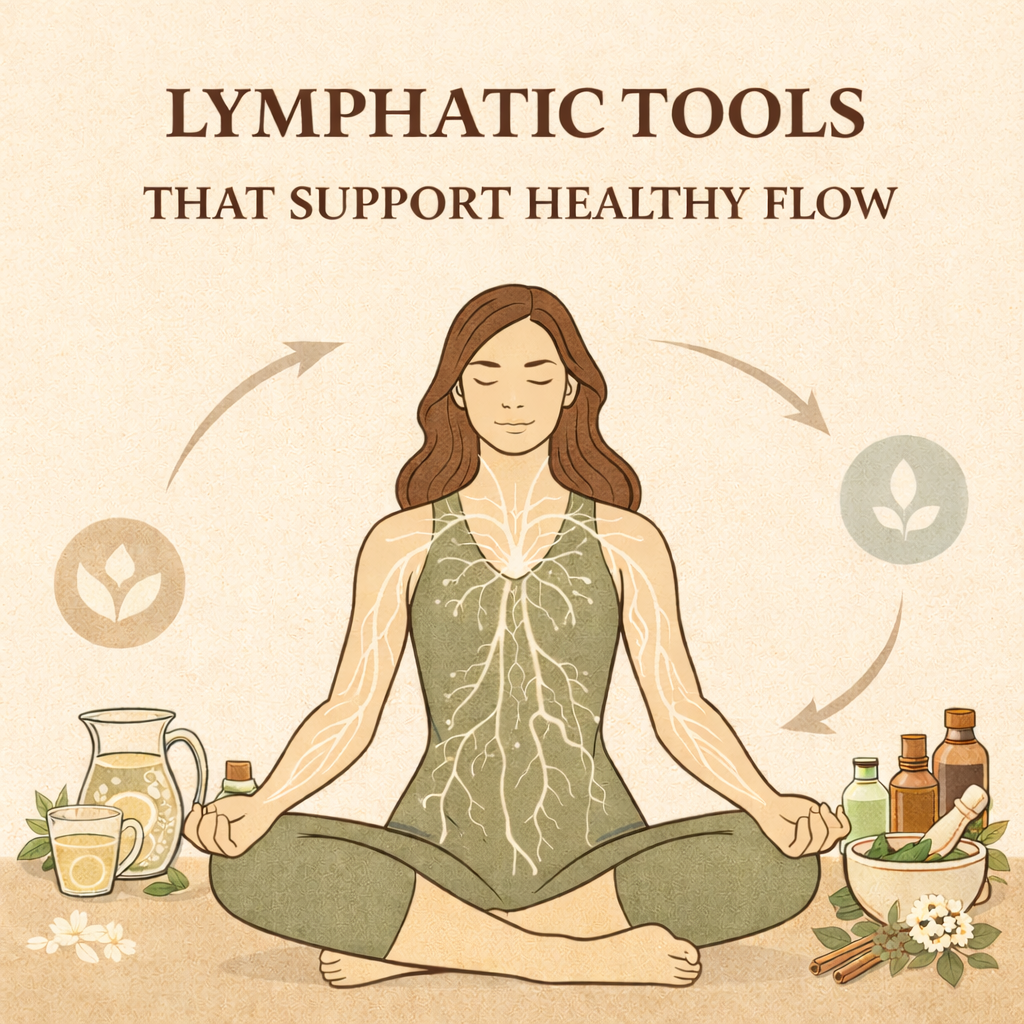
If you read The Lymphatic System: Your Body’s Hidden Clean Up Crew and How Fascia Helps It Flow, you already know the most important truth:
Your lymph system moves best when your body moves.
Lymph does not have a heart to pump it. It responds to walking, joint motion, diaphragmatic movement, pressure changes, and fascial glide. Tools can be incredibly supportive, but they work best as a bonus layer on top of the real foundation.
So before we talk tools, here’s the order that actually creates results:
The “Movement First” Lymph Foundation
Walk daily (even 10–20 minutes changes things)
Breathe in a way that expands the ribcage (pressure management matters)
Restore fascia glide (tissue that can expand and recoil supports flow)
Then we add tools to amplify what your body is already doing.
Start here: The Lymphatic System: Your Body’s Hidden Clean Up Crew and How Fascia Helps It Flow
Related: Fascia: The Hidden Web That Shapes Your Movement, Posture, and Health
Tools That Support Lymph Flow
These tools are popular for a reason: they add rhythm, stimulation, and tissue glide, which many people feel immediately in their body.
1) Rebounder (Mini-Trampoline)
Rebounding creates gentle, rhythmic loading that many people find helps with puffiness, heaviness, and that “stagnant” feeling.
How to use it
Start with 2–3 minutes of soft bouncing
Keep it quiet and relaxed
Build up to 8–12 minutes
Best for
Morning “wake up the body” energy
Supporting circulation when you sit a lot
Simple caution
If you have pelvic floor symptoms, prolapse concerns, or joint irritation, start very light and see how your body responds.
A vibration plate can be a great option when you want whole-body stimulation with very little time. Many people feel more “awake,” less heavy, and more fluid afterward, especially when they breathe slowly and let the ribs expand.
How to use it
5 minutes to start, build to 10
Soft knees, tall posture
Easy, wide breathing (do not brace)
Best for
Low-effort lymph support
People who feel “stuck” and want a gentle jump-start
Simple caution
If you are pregnant, have an implanted device, vertigo, or a medical condition, check with a qualified practitioner.
3) Dry Brushing (Copper Brush)
A copper brush adds a stronger stimulation effect than a standard natural-bristle brush. Many people love it for that “wake the system up” feeling, especially when puffiness or heaviness is present. The key is gentle pressure and consistency, not force.
How to use it
Start 2–3x/week (not daily at first)
Use very light pressure, especially on the chest/neck and inner arms/legs
Brush toward the heart with smooth strokes
Keep it to 1–3 minutes at first, then build to 3–5 minutes
Best for
A quick morning ritual that supports circulation, skin vitality, and body awareness
Simple caution
If your skin gets red and stays red, feels “raw,” or gets itchy, reduce pressure and frequency or switch to a softer brush.
Gua sha supports tissue glide and de-puffing when done slowly and consistently. The goal is not force. The goal is movement through the layers.
How to use it
Use oil so the tool glides
Light to moderate pressure
Face: center → outward, then down the neck
Body: move slowly toward armpits or groin depending on the area
Best for
Face puffiness
Jaw/neck tension
“Congested” areas that feel stuck
Simple caution
If you bruise easily or take blood thinners, go very gentle.
5) Herbal Support: Mira Herbals Kidney + Lymph Support
Herbs can be a powerful layer when you feel puffy, heavy, or stagnant. If you’re intentionally using herbs to support lymph movement, I like to pair lymph herbs + kidney support, because lymph ultimately drains back into the bloodstream. From there, the body relies on your elimination pathways, including the kidneys, to process and excrete what’s being carried out.
Think of it like this:
Lymph helps move fluid and immune “cleanup” through tissues and returns it to circulation.
Lymph nodes filter lymph, and your overall drainage depends on good flow through the whole system.
Kidney support matters when you’re “moving things,” because the kidneys help filter the blood and manage fluid balance once lymph returns to circulation.
My go-to Mira Herbals options
Lymph support formulas:
Mira Herbals Lymphatic 1 or Lymphatic Tea - Lymphatic System Support: The herbal blend works in unison to support the lymphatic system, aiding in drainage, promoting flow, and maintaining optimal fluid balance within the body.
Kidney support formulas (pair alongside lymphatic support):
Mira Herbals Kidney Restore -
Supports Kidney Health: Nourishes and supports the kidneys and promotes resilience and recovery from long-term conditions.
Enhances Adrenal Gland Function: Helps restore and maintain balance in the adrenal glands.
Improves Circulation: Enhances blood flow, indirectly supporting optimal kidney function.
Strengthens Urinary Tract Function: Promotes healthy urinary tract function and acts as a diuretic to support detoxification.
Boosts Detoxification: Cleanses the lymphatic system, aiding overall detoxification.
How I recommend using herbs (simple + supportive)
Start low and build slowly (your body will tell you what’s “enough”) 1/2 teaspoon(approx. 30-45 drops), 2-3 times a day.
Consume 30 minutes before a meal, preferably on an empty stomach to allow quick absorption.
Hydrate consistently and prioritize minerals (so you don’t feel depleted)
Keep daily movement in place (walking + breathing = the foundation)
Simple caution: If you’re pregnant, breastfeeding, on medications (especially diuretics/blood pressure meds), or have kidney concerns, check with a qualified practitioner before using herbal blends
6) Castor Oil Packs (Liver / Belly / Pelvis)
Castor oil packs are one of my favorite tools for lymph support because they help your body shift out of gripping. Lymph moves best when your system has rhythm + space + calm, and a castor oil pack is a simple way to create the “space and calm” piece.
Many people notice that when they use a pack consistently, they feel:
less belly and rib tension (better breath motion)
a lighter, less “congested” feeling through the trunk
easier digestion and less tightness, which often pairs well with lymph support
How I use it (simple)
Place over the upper belly/lower ribs or low belly/pelvis
Add gentle warmth and rest 30–60 minutes
Breathe slow and wide into the ribs and back
Why it matters for lymph
When your trunk softens and your breathing expands, your body often gets better at its natural “internal pumping,” which supports fluid movement through the whole system.
Frequency
Start 2–3x/week, then build toward 3–4x/week if your body loves it.
Simple caution
Avoid packs on broken/irritated skin, and skip during pregnancy; if you have a medical condition or are on meds, check with a qualified practitioner
A Simple Weekly Plan (No Overwhelm)
If you want a realistic rhythm:
Daily
Walk 10–30 minutes
2 minutes of rib-expanding breathing
3–5x/week
Rebounder or vibration plate (5–10 minutes)
2–3x/week
Dry brush or gua sha
Optional
Herbs seasonally or as guided by a practitioner
Consistency beats intensity.
Tools can support flow. Structure is what makes it stick.
If you've collected the tools but still feel like nothing is fully shifting, it's usually because tools work best when they sit on top of a consistent daily rhythm — not instead of one.
The 28-Day Lymphatic Reset gives you that rhythm. A 7-minute morning routine that opens the lymphatic vessels before driving stagnant fluid through them. Four rotating self-massage sequences and four 360° breathing flows that work through the body progressively. A nourishment plan that reduces the acidic load your tissues buffer daily. And a 4-minute movement snack to keep flow going throughout the day.
Everything in one daily structure — so the tools you already have can actually do their job.
One payment. Lifetime access. Return to it whenever your body needs a reset.