Props Used in 360° Breathing Mini Course

Small Pilates Ball
I use a small Pilates ball for support and feedback during pelvic positioning and breathing exercises. Its soft surface helps you sense subtle shifts in pressure and position.

Yoga Blocks
I use yoga blocks to support the knees, hips, or hands and adjust the height of an exercise setup. They provide a firm point of contact that helps you feel your position and maintain support while you breathe or move.

Foam Roller
I use a foam roller for tissue release, supported breathing positions, and feedback during hip, spine, and shoulder exercises. It provides a surface to press into, move against, or rest over as you practice creating space and supporting it through movement.

Stability Ball (55 cm) — Breath Expansion & Alignment
This ball creates a supportive yet dynamic base for your 360-breath practice. In the practice it is used to find a neutral pelvis. It can be used outside of the course for stability and expansion exercises. Used as a chair your pelvis can settle into a neutral position while your ribs and diaphragm have space to expand fully, giving the pelvic floor tactile cues for expansion. It’s simple, effective, and teaches you to breathe with ease and structural support.

Lacrosse Ball Neck Repositioning
The lacrosse ball gives gentle feedback at the base of the neck to help you find a more supported head and ribcage position. This is not about digging in or aggressively releasing tissue. It is about improving awareness, reducing excess neck tension, and helping the upper body organize around better pressure and posture mechanics.
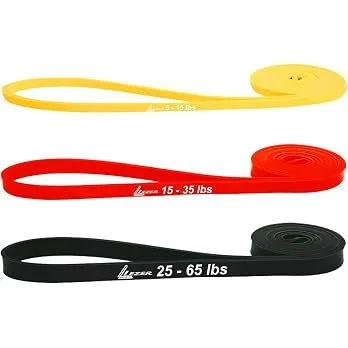
Exercise Bands
I use exercise bands for gentle feedback around the rib cage and resistance during strength and rotation exercises. The contact helps you feel where your ribs move as you breathe, while the resistance gives you something to work against. Choose a tension that allows comfortable breathing and controlled movement.
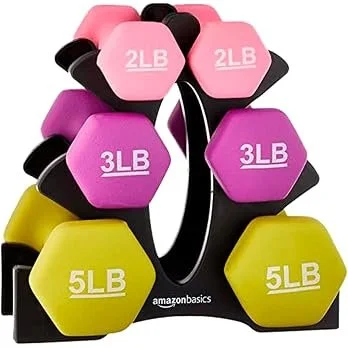
Hand Weights
I use hand weights for feedback and resistance during serratus reaches, overhead movements, and strength exercises. The added load helps you feel the connection between the arm, shoulder blade, and trunk. Choose a weight that lets you maintain control and breathe comfortably.