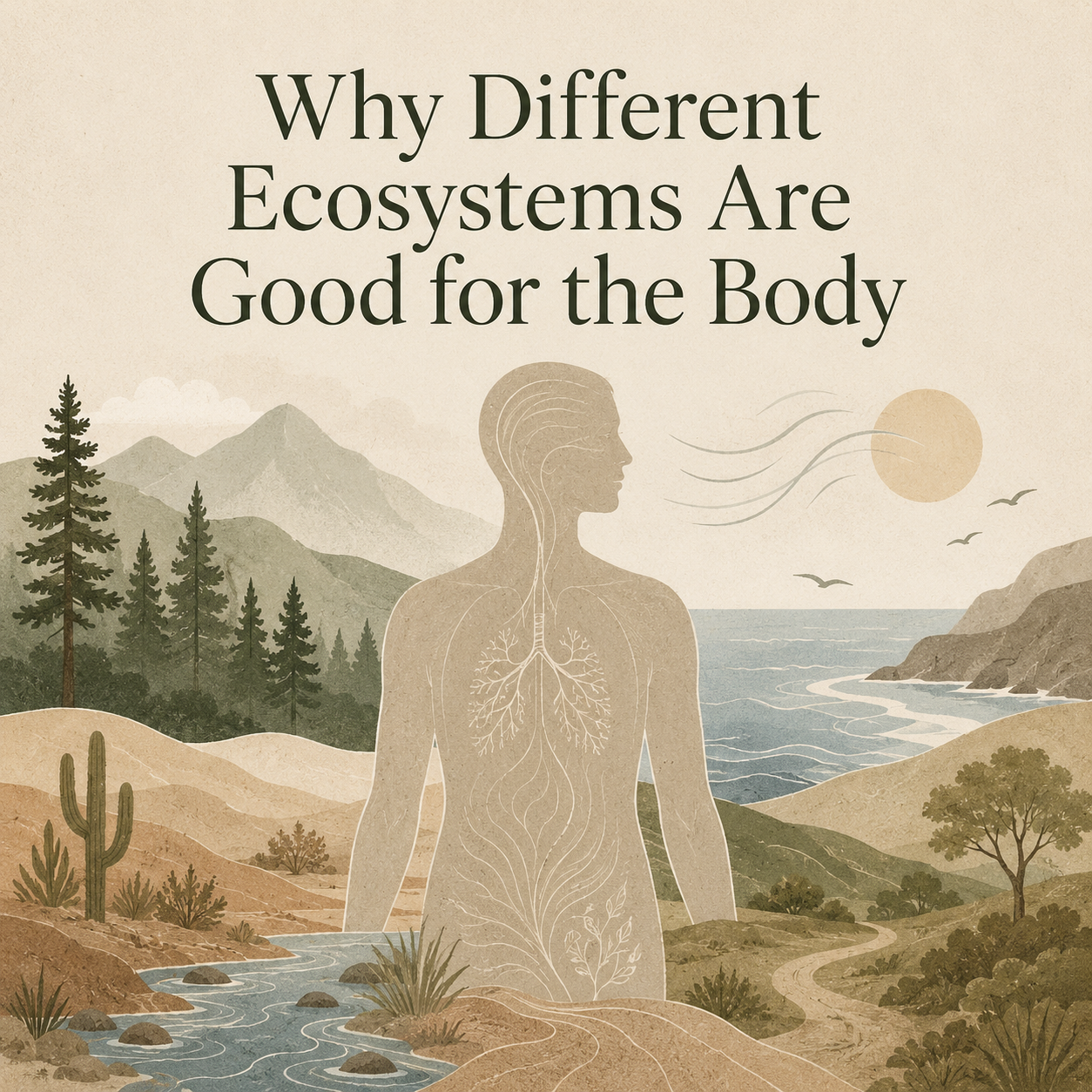
Why Different Ecosystems Are Good for the Body
Most people think of travel as a break from routine.
A change of scenery.
A different climate.
A chance to rest or explore.
But the body experiences travel as something more physical than that.
When you move into a different ecosystem, your body receives different inputs: air, light, terrain, microbial exposure, sound, temperature, space, and movement demands.
Your body is not separate from the environment around it. It is constantly responding to the place it is in.
This is part of why travel and time in varied landscapes can feel so restorative. Not because every trip is automatically healthy, and not because you need to fly across the world to feel a shift. It is because the body was never meant to live in one repeated indoor environment forever.
We are biological organisms.
We adapt to input.
And different ecosystems give the body different information to adapt to.
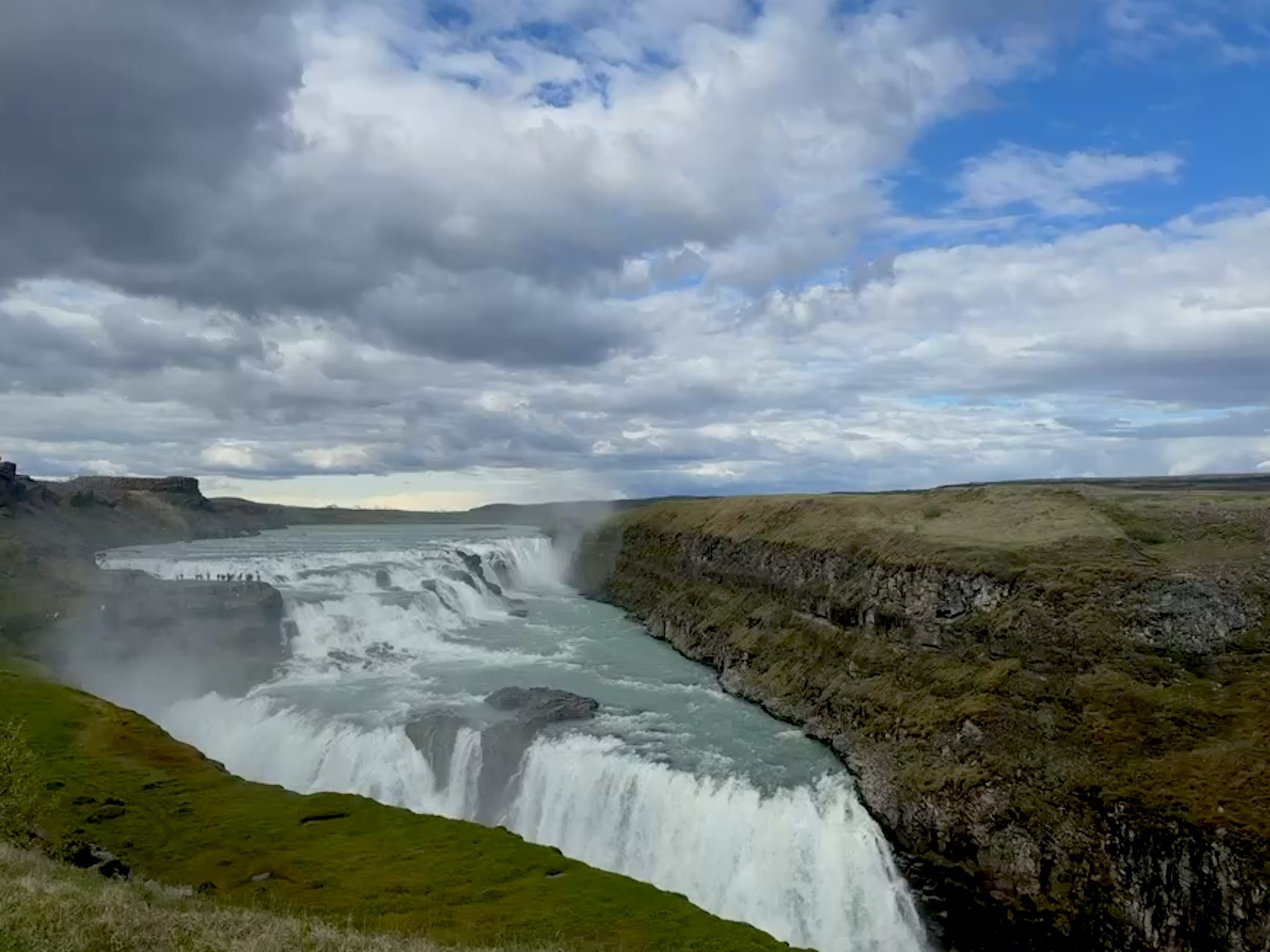
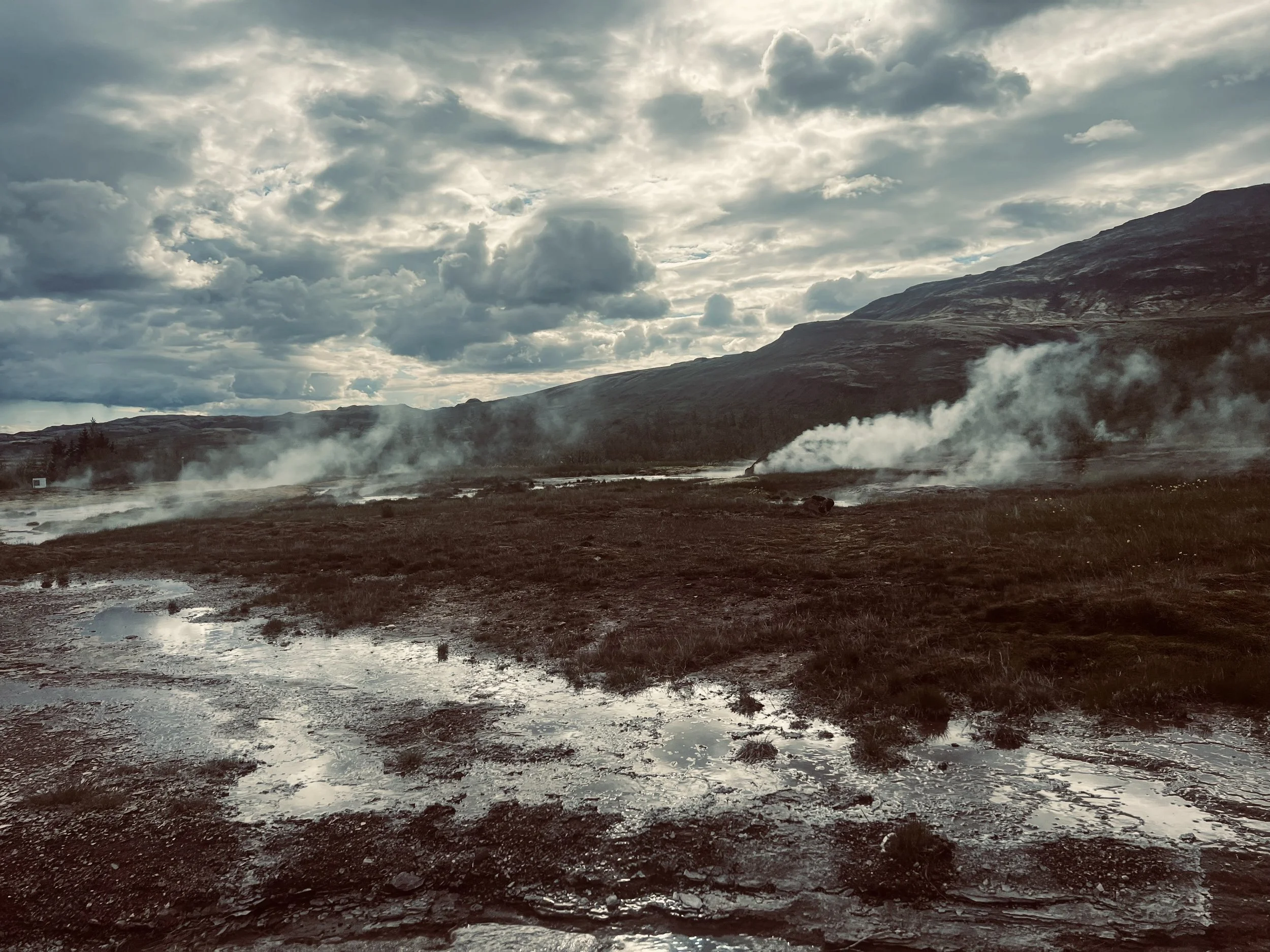
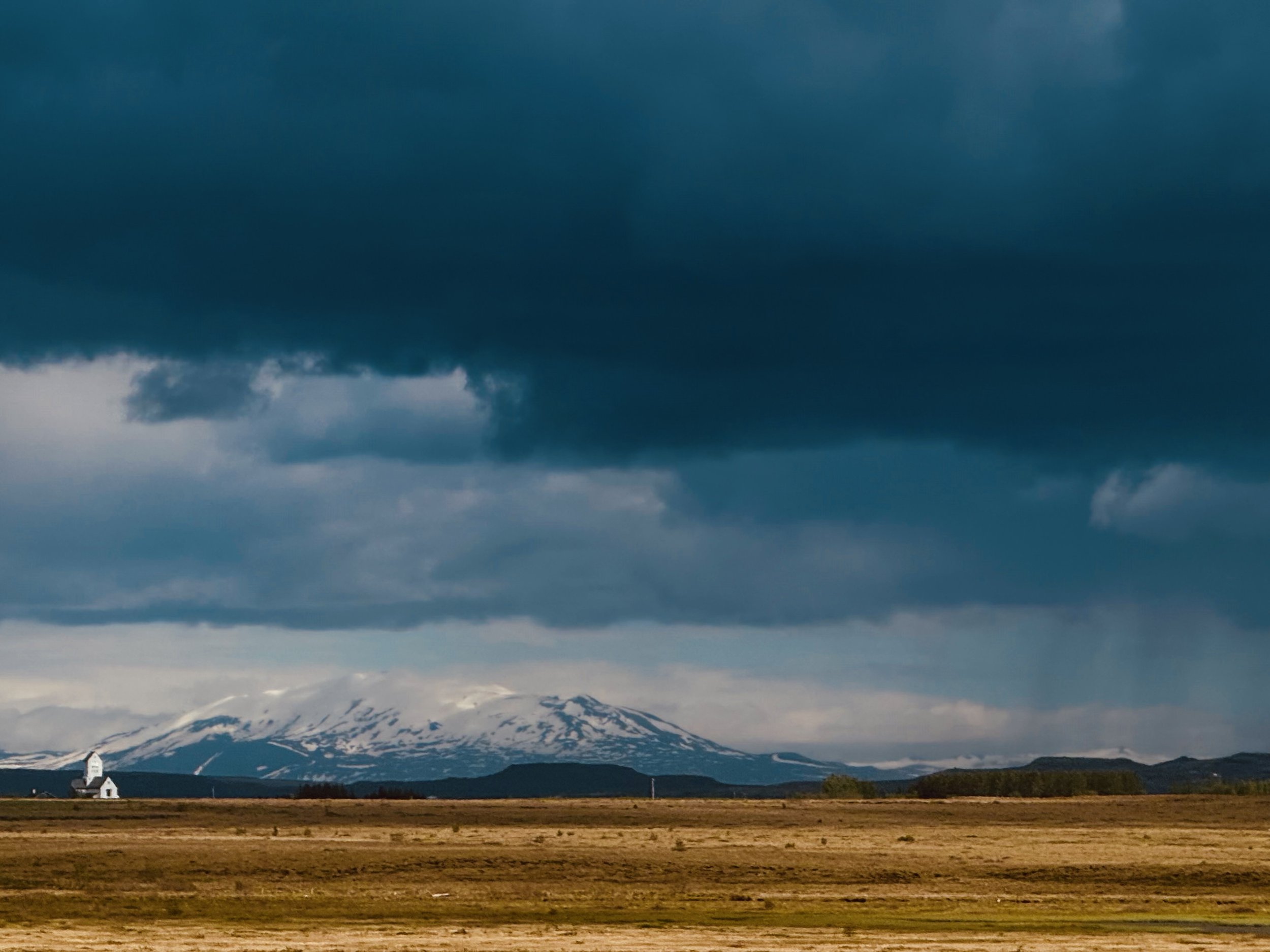
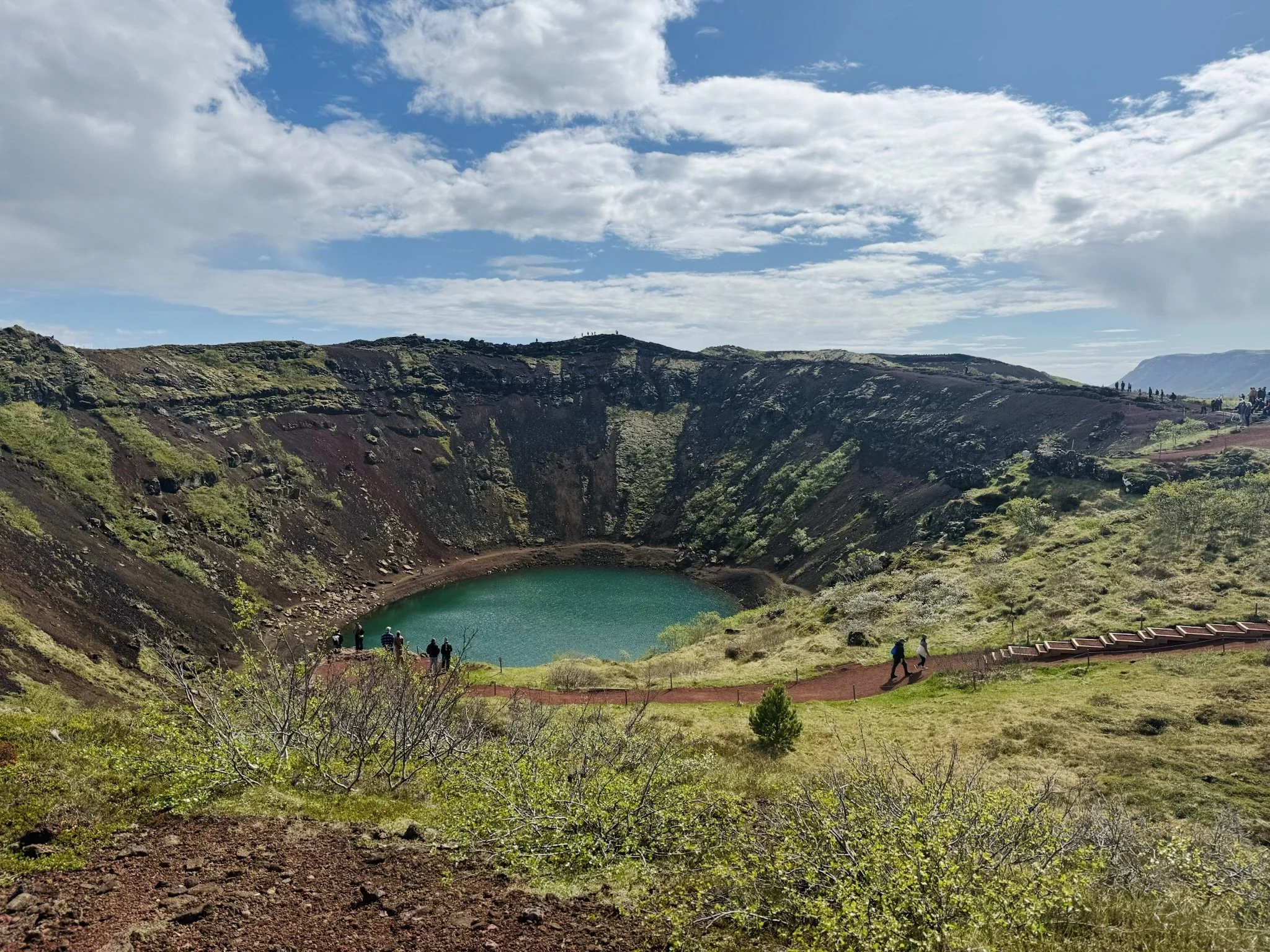
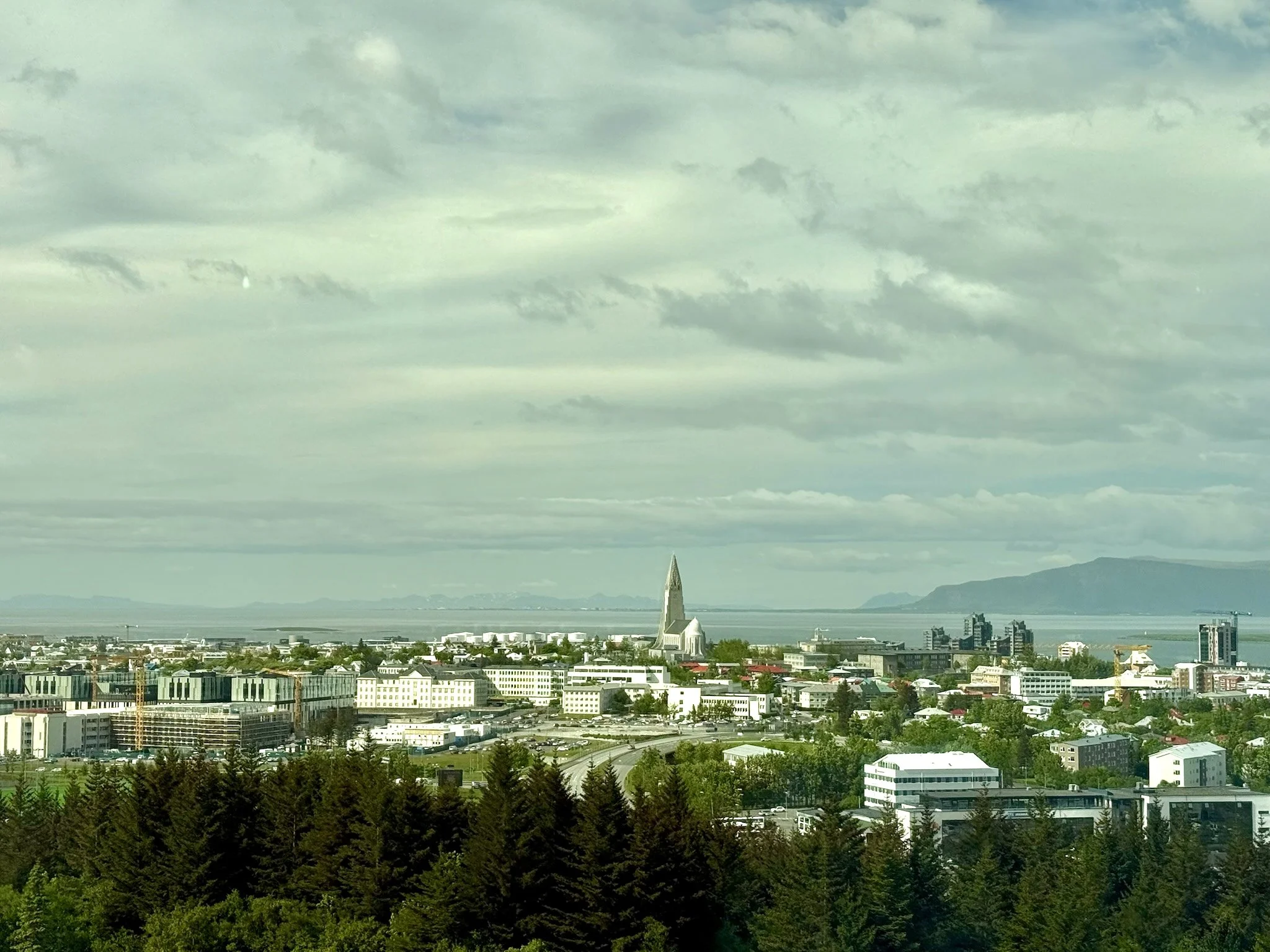
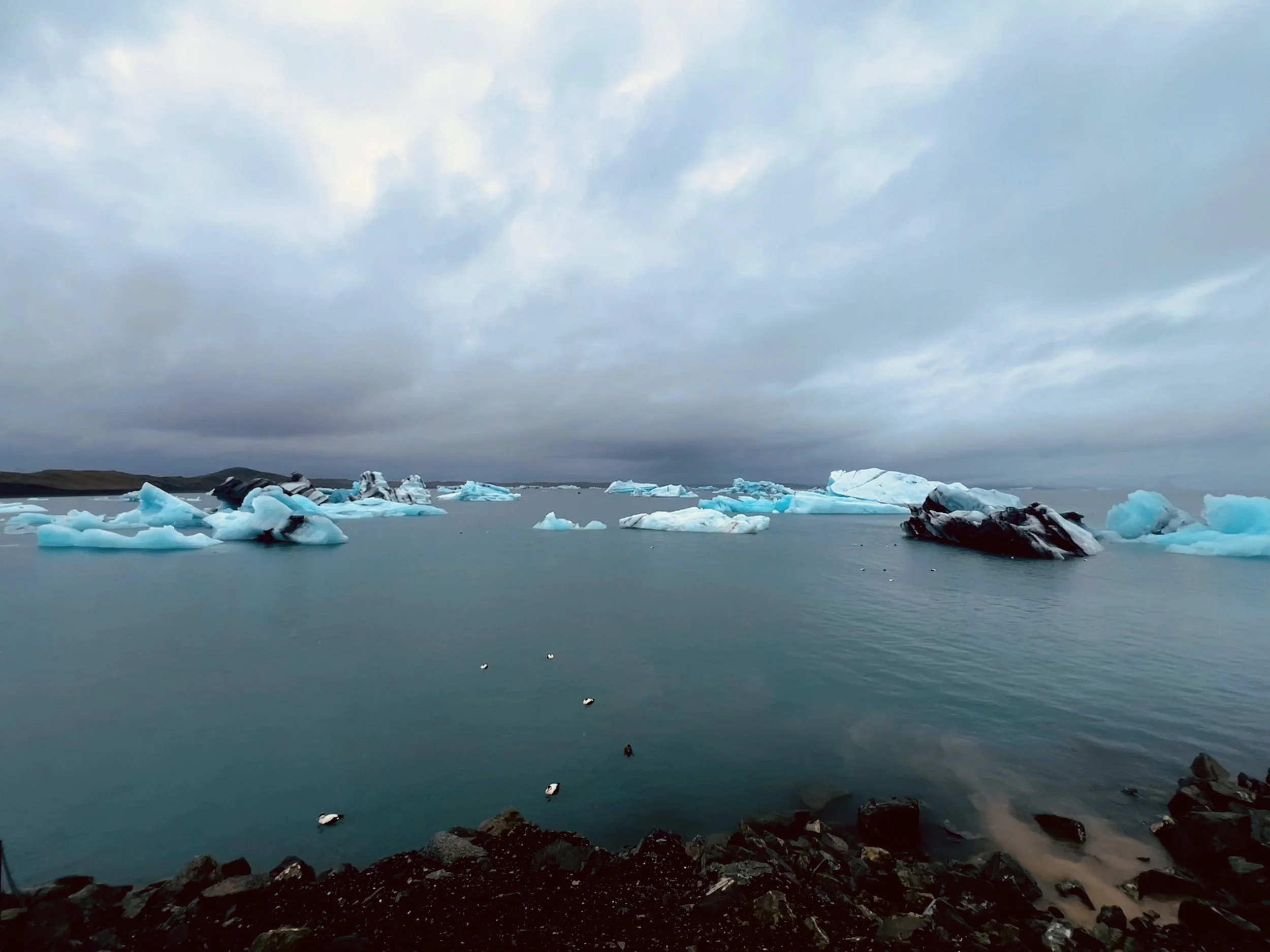
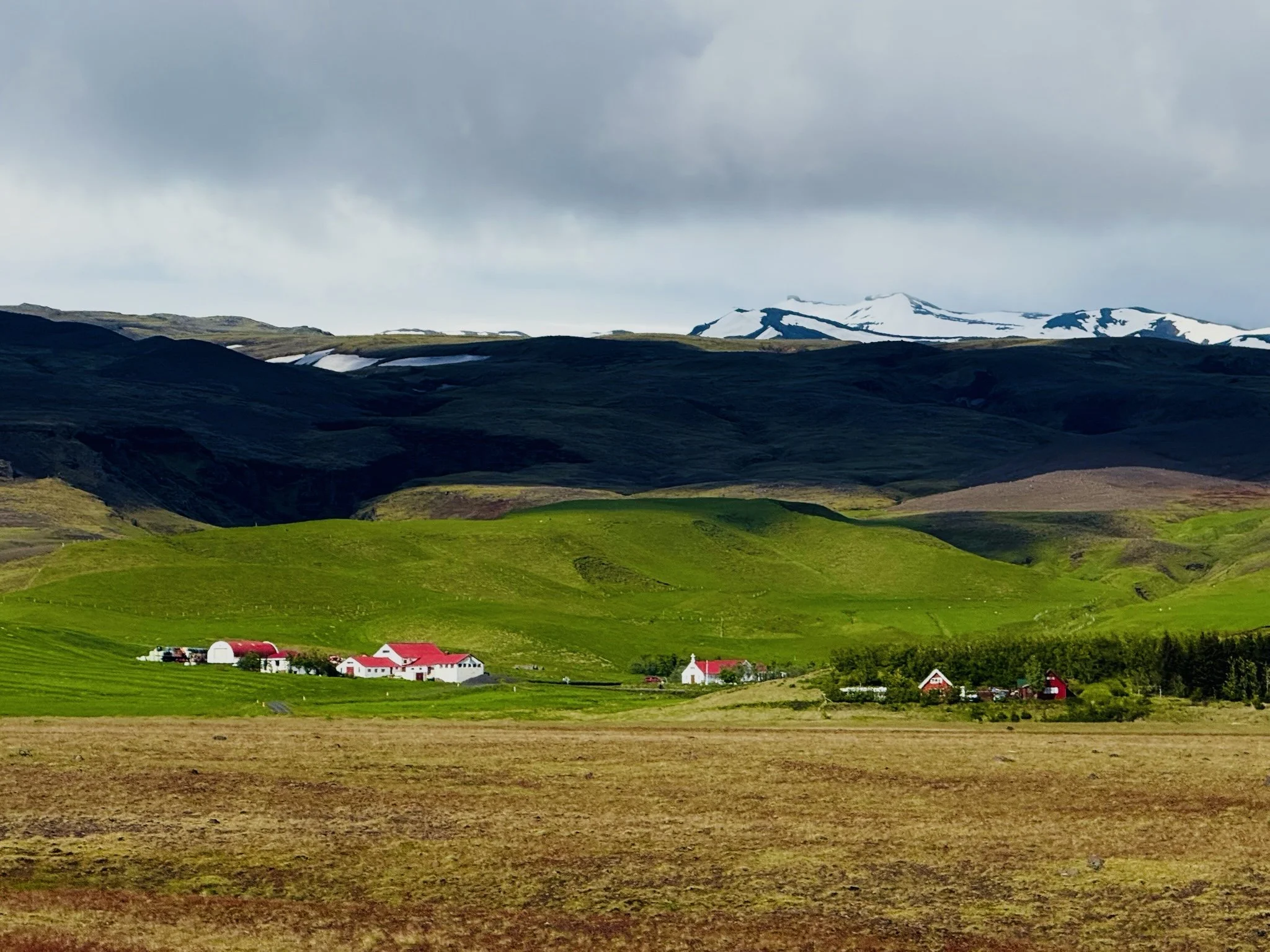
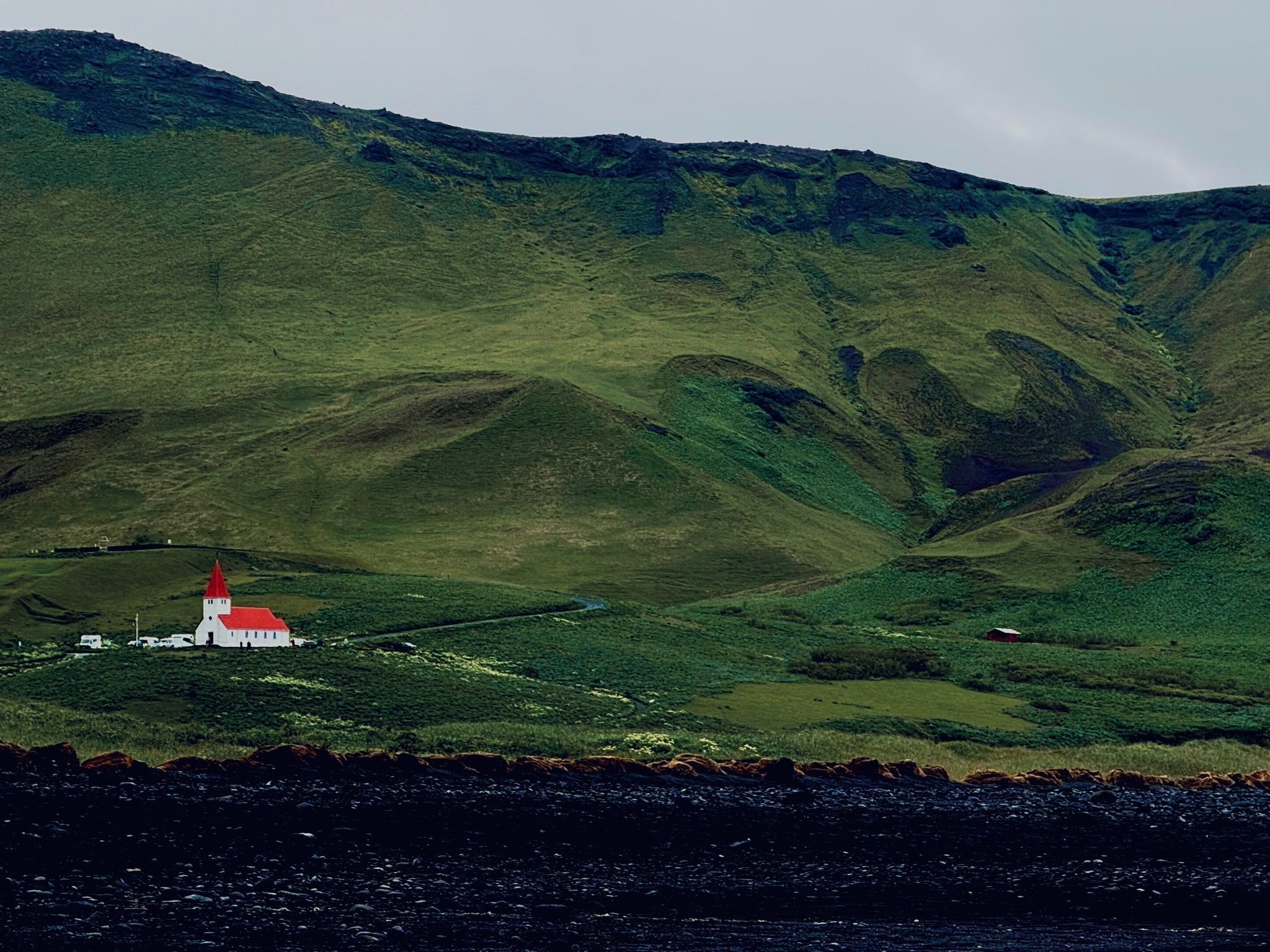
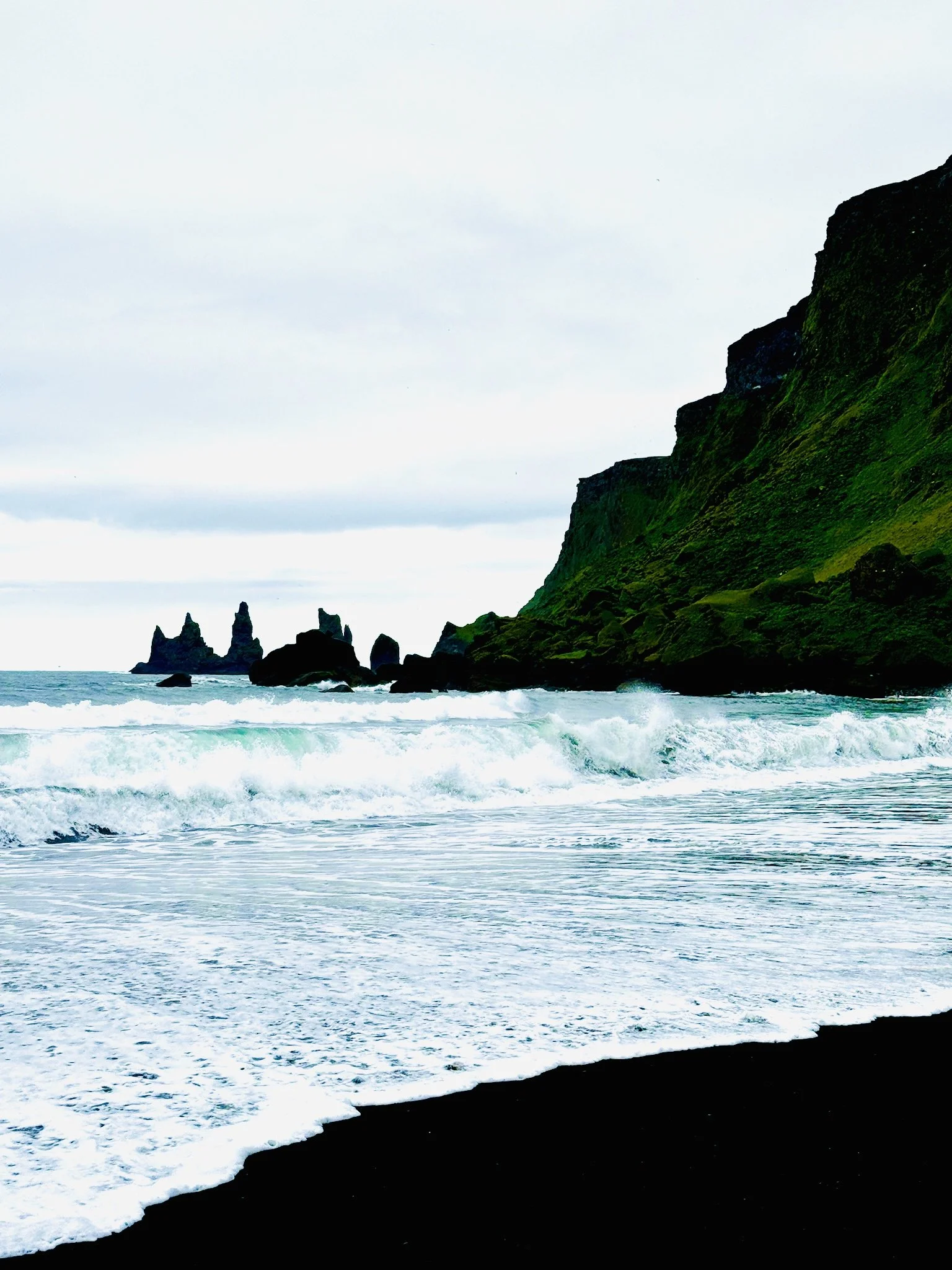
I felt this clearly when I traveled to Iceland. The wind, open space, changing ground, long daylight, and natural terrain gave my body input I do not get from flat floors, artificial light, indoor air, and screens.
My body responded before I had to think about it.
That is the heart of this article.
The Body Is Always Reading the Environment
Light tells your brain what time of day it is.
Temperature gives the nervous system information.
Terrain changes how your feet, hips, spine, and balance system respond.
Air quality influences how the lungs and body interact with the environment.
Microbial exposure gives the immune system information.
Movement variety changes how the fascia, lymph, joints, and muscles behave.
The environment changes physiology.
When you spend most of your time indoors, in climate-controlled air, under artificial light, on flat floors, moving through the same patterns and staring at the same screens, your body receives a narrow range of inputs.
It can adapt to that.
But adaptation is not always the same as resilience.
A resilient body needs options.
Different ecosystems can help restore some of those options by giving the body more varied information to organize around.
Nature Contact, Biodiversity, and Immune Regulation
One of the more interesting ideas in environmental health is the biodiversity hypothesis.
The basic premise is that contact with natural environments exposes the body to more diverse environmental microbes, which may help support a more balanced immune system.
This idea is often connected to the work of immunologist Graham Rook, whose research explores how modern indoor life may reduce contact with the microbial diversity our immune systems evolved alongside.
This is not a claim that dirt is magic or that nature exposure cures disease.
It is a claim about relationship.
The immune system is not only built to fight. It is also built to recognize, tolerate, regulate, and resolve.
Soil, plants, animals, natural water, forests, coastal air, and biodiverse landscapes all carry microbial information. When people live highly sanitized, indoor lives, the immune system may receive less of the environmental diversity it expects.
Different ecosystems, through microbial communities, plant compounds, and airborne particles, may help give the immune system more diverse information to regulate around.
The skin is part of this relationship too.
The skin is not just a covering. It is an immune organ, a sensory organ, and a microbial ecosystem. Every time you go outside, your skin interacts with light, temperature, humidity, wind, plants, soil, water, and microbes.
Modern life often narrows that relationship.
Synthetic fabrics, constant indoor time, frequent disinfecting, and surfaces made of plastic, metal, and flooring all reduce the skin’s contact with the living world.
Some of this is necessary.
But when the body loses regular contact with nature, the skin loses environmental input too.
Bare hands on plants.
Feet on sand or grass.
Wind on the face.
Sunlight on the skin.
Soil from gardening.
Natural textures under the hands and feet.
These small exposures remind the body that it belongs to a larger ecosystem.
For people living mostly indoors, nature is not just pretty.
It is biological information.
Different Ecosystems, Different Inputs
A forest is not the same as a beach.
A mountain trail is not the same as a city sidewalk.
A volcanic landscape is not the same as a lake, prairie, desert, or moss-covered path.
Each one asks something different from the body.
A forest offers shade, plant compounds, soil microbes, softer sound, and uneven ground.
A coastline offers salt air, wind, humidity, and a different sense of space.
Mountains offer elevation change, greater cardiovascular demand, and stronger lower-body input.
A desert offers heat, dryness, wide-open space, and a different relationship with hydration and pacing.
In Iceland, the terrain carried a different kind of demand than the environments I am used to moving through at home. Volcanic rock, moss, wet ground, open paths, wind, and uneven footing all gave my body more information to respond to.
My feet, ankles, hips, and breath had to stay more connected to the ground and the space around me.
That is what varied terrain gives the body that flat, predictable environments often do not.
The feet respond to terrain.
The eyes respond to distance.
The lungs respond to air.
The nervous system responds to sound and space.
The fascia responds to movement variability.
The lymphatic system responds to breath, muscle contraction, walking, and pressure change.
A new ecosystem gives the body a different set of inputs to organize around.
Terrain Changes Movement
Flat floors create flat movement.
Most modern environments are built for efficiency: smooth sidewalks, level floors, chairs, elevators, and the same walking pattern repeated all day.
That is convenient, but it does not ask much from the body.
Natural terrain is different.
Rocks, sand, hills, moss, roots, wet ground, and uneven paths require constant adjustment. The feet have to read the ground. The ankles have to adapt. The hips have to organize. The eyes have to track the path. The arms have to counterbalance.
This is not the same as doing a formal workout.
It is movement complexity.
In Iceland, I never once thought about engaging my core or finding my footing the way I might cue a client to. The terrain created that demand naturally.
Loose volcanic gravel asked my ankles to find stability with every step. A stretch of soft moss changed how my feet met the ground. Wet paths, wind, and uneven footing kept my body more awake to the space around me.
The environment was giving my body information that flat indoor surfaces rarely provide.
The body becomes more connected when it has to relate to the ground instead of moving through a predictable, level space.
Breath, Lymph, and Circulation: How Environment Moves Fluid
The environment also changes how the body breathes.
Wind, elevation, humidity, temperature, and walking uphill can all shift respiratory rhythm without needing to force a technique.
A collapsed indoor posture often creates shallow breathing. Hours of sitting, screens, and stress can pull the breath into the upper chest, neck, and jaw.
Outside, the breath often has a different job.
The ribs have to move.
The diaphragm has to respond.
The spine has to organize around changing demand.
Breath is one of the main ways the body creates internal pressure change, and pressure change helps move fluid.
The lymphatic system depends on movement, breath, muscle contraction, pressure change, hydration, and open tissue pathways to function well. It has no central pump of its own.
Different ecosystems can naturally provide more of those inputs than a still, climate-controlled indoor space.
Walking on uneven terrain moves the feet, calves, hips, pelvis, ribs, and arms together. Wind, humidity, elevation, and temperature changes can influence how pressure moves through the trunk. Temperature shifts can also influence circulation and nervous system tone.
Standing in the Icelandic wind, I noticed my breath change without trying to make it happen.
The open space, moving air, and uneven ground gave my body more to respond to than a climate-controlled indoor room.
My ribs, spine, and breath had to organize around the environment instead of around an exercise cue. The wind, open space, and changing ground became the instruction my body responded to.
This is why a hike, beach walk, or even time in a garden can feel different from a workout indoors.
It is not only about steps, calories, or exercise.
It is about the quality of input the body is receiving.
The Nervous System Needs More Than Calm
Nature is often described as calming.
That is true, but it is incomplete.
The nervous system does not only need calm. It also needs appropriate stimulation: contrast, orientation, rhythm, and sensory input that is not coming from a screen.
Wind on the skin.
The sound of water or birds.
The smell of soil.
A horizon line.
A trail that requires attention.
Light changing across the day.
These inputs help the body orient to the present moment, not through forcing stillness, but by giving the nervous system something real to respond to.
That is different from scrolling, artificial lighting, and indoor noise.
The body knows the difference.
Sunlight, Circadian Rhythm, and Place
Different ecosystems also change light exposure, and light is one of the strongest signals for circadian rhythm.
Morning light helps the brain register that the day has started. Evening darkness helps the body prepare for sleep. Seasonal light shifts can influence energy, mood, and hormonal rhythm.
When most of the day happens indoors, light becomes distorted: dim during the day, bright from screens at night, with little sunrise or sunset exposure to anchor the rhythm.
In Iceland, the light itself became part of the experience.
The long, low daylight of an Icelandic summer evening did not match my body’s usual sense of time. I noticed myself feeling more awake later into the evening, even when my body also needed rest.
This is where it is important to remember that environmental input is not automatically good or bad.
It is information.
Some cues can feel regulating. Others can challenge the system.
The extended daylight felt expansive and energizing, but it also made sleep harder because my body was not getting the same darkness cues it was used to.
That is part of what different ecosystems do. They interrupt the familiar pattern.
Sometimes that interruption gives the body more space, better breath, more movement, and a wider sense of orientation. Other times, it asks the body to adapt to new light, temperature, terrain, altitude, humidity, or rhythm.
Different environments can make time feel different because the body is receiving stronger signals than it gets at home.
Those signals can influence sleep, energy, recovery, and how the body organizes itself in a new place.
You Do Not Have to Travel Far
This article is not really about vacations.
It is about environmental variety.
Travel makes the contrast obvious, but a plane ticket is not required to give your body different ecosystem inputs.
Walk near water.
Spend time under trees.
Go to a prairie, park, trail, garden, or lake.
Touch soil.
Walk on uneven ground.
Get morning light.
Sit outside after rain.
Let your eyes look far into the distance.
The point is not to collect extreme environments.
The point is to stop living as if the body is separate from nature.
Different ecosystems remind the body how to adapt.
Final Thoughts
Different ecosystems give the body information it cannot get from one repeated indoor environment.
The breath changes with air, movement, and space.
The nervous system orients to sound, light, distance, and terrain.
The lymphatic system responds to walking and pressure change.
The fascia responds to movement variability.
The immune system receives microbial and environmental information.
The circadian system responds to light and darkness.
A forest feels different than a beach.
A mountain feels different than a city sidewalk.
A volcanic landscape feels different than a climate-controlled room.
The body notices.
We were not designed to live entirely inside boxes, breathing the same air, walking on the same flat floors, repeating the same patterns every day.
The body needs rhythm.
It also needs variety.
Sometimes, stepping into a new landscape is not just a change of scenery.
It is a change in the information your body receives.